
Why Car Photography Is More Than Just Taking Pictures of Vehicles
Summary:
In today’s visual world, the way a vehicle is presented can completely shape how it is perceived. Car photography is not just about documenting a car; it is about telling a story, building desire, and elevating value. Whether for dealerships, collectors, or brands, professional automotive imagery plays a powerful role in marketing and brand identity.
Introduction: The First Thing People Notice Is the Image
Before someone reads the specs, checks the mileage, or asks about pricing, they look at the photos. That first visual moment creates an emotional reaction that often decides whether they continue exploring or move on. A car can be mechanically perfect, beautifully engineered, and packed with features, but if the images do not reflect that quality, the opportunity is already slipping away. In a digital marketplace where buyers scroll quickly and attention spans are short, strong visuals are not optional anymore.
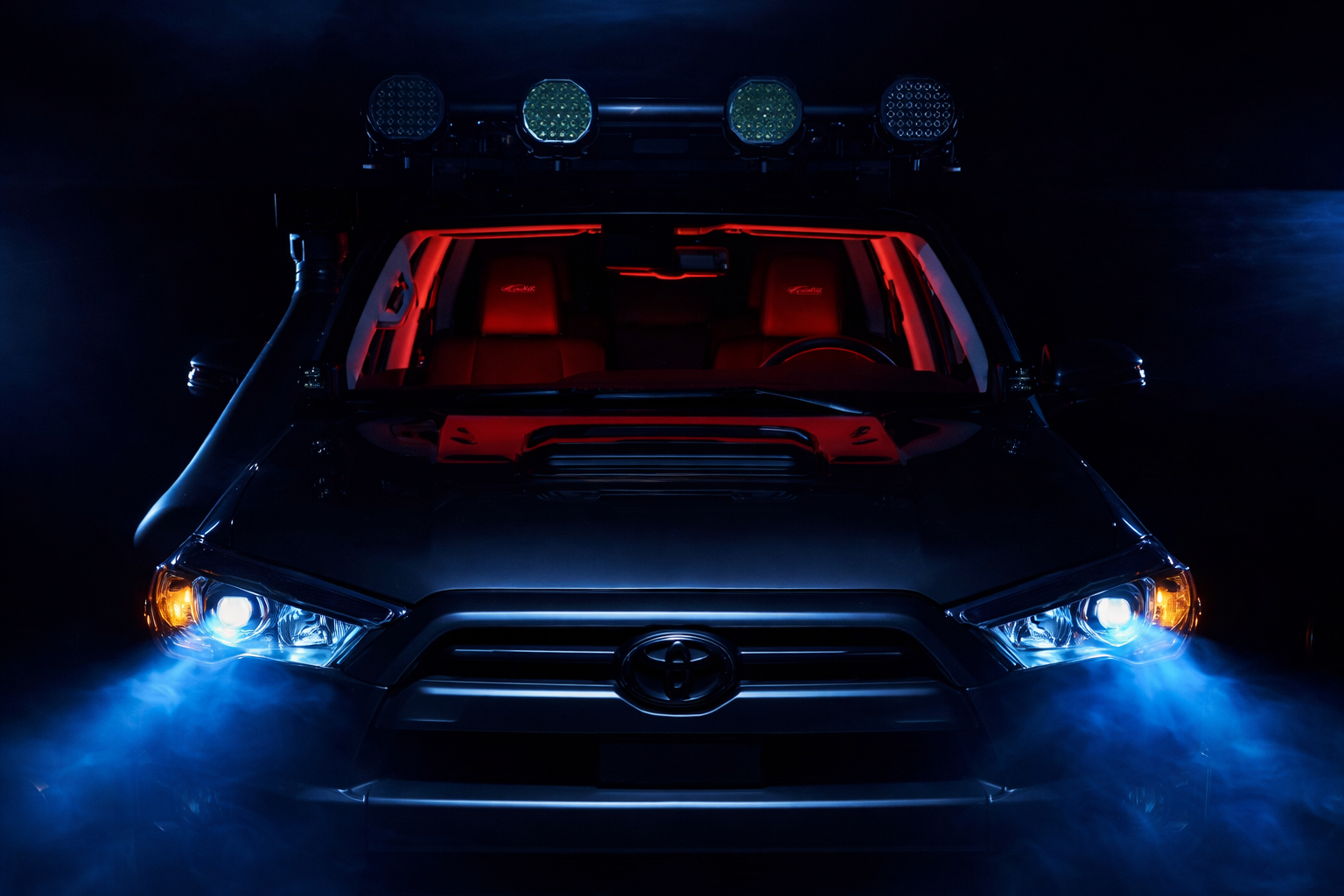
Car photography has evolved far beyond simple documentation. It is no longer about standing in a parking lot and snapping a few wide shots. It is about lighting, composition, background, motion, and mood. It is about creating a visual experience that allows viewers to imagine themselves behind the wheel. That emotional connection is what turns casual interest into serious inquiry.
Capturing Design, Not Just Metal
Every vehicle has design details that make it unique. The curve of the body, the shape of the headlights, the texture of the interior materials, and the subtle lines that define its silhouette all contribute to its personality. Professional photography focuses on these elements in a way that highlights craftsmanship and engineering. It draws attention to what makes the vehicle special instead of treating it as just another object.
Lighting plays a major role in this process. Natural light during golden hour can enhance reflections and bring warmth to metallic paint. Controlled lighting setups can emphasize contours and eliminate harsh shadows. The right angle can make a car look powerful, refined, aggressive, or elegant depending on the story being told. These small decisions create a dramatic difference in how the vehicle is perceived.
Location Changes the Entire Story
Where a car is photographed matters just as much as how it is photographed. A luxury sedan positioned against a modern architectural background communicates sophistication and status. A rugged truck placed in a mountain setting instantly suggests durability and adventure. A sports car captured on an open highway hints at speed and freedom. The environment adds context, and context adds emotion.
Choosing the right location requires intention. It must align with the brand, the target audience, and the purpose of the shoot. Random backdrops often dilute the message, while carefully selected settings strengthen it. When location and vehicle feel connected, the image becomes more than a photo. It becomes a narrative that viewers can step into.
Building Trust for Buyers and Clients
For dealerships and private sellers, strong photography directly impacts buyer confidence. Clear, detailed images reduce uncertainty and answer visual questions before they are even asked. Interior shots that show condition and cleanliness build trust. Close ups of features demonstrate transparency. Consistent angles and professional editing signal credibility.
In competitive markets, buyers often compare multiple listings side by side. Vehicles with high quality imagery naturally stand out. They appear more cared for and more valuable. Even if two cars are similar in price and features, presentation can influence which one receives the inquiry first. Photography does not change the vehicle itself, but it changes how it is perceived.
Supporting Marketing and Branding Efforts
Car photography is also essential for automotive brands, aftermarket companies, and businesses connected to the industry. Advertising campaigns, social media content, brochures, and websites all rely heavily on strong visuals. Without compelling imagery, even the best marketing message struggles to make an impact.
Consistent, high quality photos build brand recognition over time. They create a visual style that audiences begin to associate with reliability and professionalism. Whether showcasing a new model launch or highlighting custom modifications, photography becomes a core part of brand storytelling. It reinforces identity and strengthens market presence.
The Role of Motion and Energy
Static shots are important, but motion adds life. Rolling shots, dynamic angles, and subtle movement communicate performance in a way that parked images cannot. Even when a vehicle is stationary, composition can suggest motion through leading lines and perspective. These techniques add excitement and capture attention in crowded digital spaces.
Motion based imagery requires planning and precision. Safety, timing, and coordination all play a part. The result, however, is a set of images that feel alive and engaging. They create energy that resonates with viewers and keeps them looking longer.
Long Term Value of Professional Automotive Imagery
Investing in professional car photography creates long term benefits. A well executed shoot provides a library of images that can be used across multiple platforms and campaigns. Instead of constantly searching for generic stock images, businesses have authentic content that reflects their actual vehicles and brand identity.
Over time, this consistency strengthens market positioning. Customers begin to recognize the visual style and associate it with quality. For collectors and enthusiasts, strong photography preserves the memory and detail of vehicles in a way that lasts for years. It documents craftsmanship while also elevating perceived value.
Final Thoughts: Turning Machines into Stories
Cars are not just machines. They represent innovation, performance, lifestyle, and personality. The way they are photographed determines whether those qualities are felt or ignored. Car photography transforms metal and rubber into emotion and aspiration.
In a world where digital impressions shape buying decisions, thoughtful and intentional imagery makes all the difference. It is not simply about showing a vehicle. It is about presenting it in a way that reflects its true character and invites people to imagine the journey ahead. If you need more information, contact us or read our other blog posts.